4.1 — Module 4
TransitionSay this
Transition: "Module 4."
My notes
Presenter study handout
3 contact hours · 0.3 AOTA CEUs · Module 4 · 17 slides
Presenter-side material. Each block shows the slide as the audience sees it, the talk track, and space for your own notes. Model answers appear here — do not hand this version to learners.
Say this
Transition: "Module 4."
My notes
Say this
Open here. "Comorbidity Patterns." Autism, ADHD, dyslexia, and dysgraphia — visual performance signs, not causation.
Say why this section matters for their caseload, then advance.
My notes
Say this
Ask the poll: "In your practice, when a student has a diagnosis like ADHD or dyslexia, how often is a visual contribution also checked?"
Options:
• Always
My notes
Say this
Frame the slide: "Association is not causation."
Walk each point, one sentence each:
• These four conditions frequently co-occur with visual performance differences — the visual finding does not cause the diagnosis.
My notes
Say this
Contrast the two columns: What is reported versus Occupational impact.
What is reported:
• Reduced eye contact or difficulty sustaining visual focus
My notes
Say this
Contrast the two columns: What is reported versus Occupational impact.
What is reported:
• Difficulty sustaining focus on visual tasks; easily distracted
My notes
Say this
Contrast the two columns: What is reported versus Reported associations.
What is reported:
• Letter or number reversals; misaligned text or math columns
My notes
Say this
Frame the slide: "Visual performance signs associated with dysgraphia."
Walk each point, one sentence each:
• Illegible handwriting; struggles with letter formation, alignment, and spacing.
My notes
Say this
Frame the slide: "The numbers behind the urgency."
Walk each point, one sentence each:
• 1 in 4 school-age children are estimated to have an undiagnosed vision problem affecting academics (Kleinstein et al., 2003, population-based cohort).
My notes
Say this
Read the scenario aloud, slowly:
A 5th-grade student with an ADHD diagnosis is referred for "poor handwriting and inattention." During your session he loses his place three times in one paragraph and cannot locate his pencil among other items on the desk.
Then put these questions to the room:
My notes
Say this
Set up the clip in one sentence, play it, then debrief with "what did you notice?"
My notes
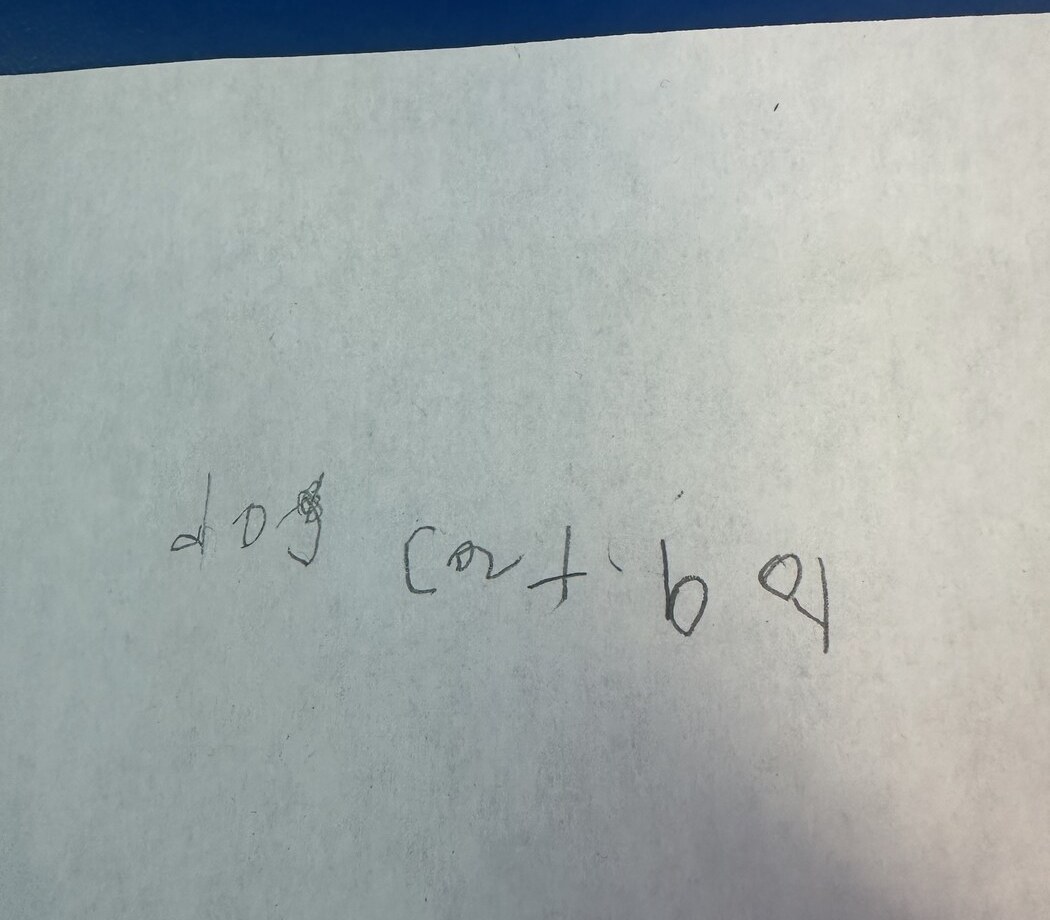
Same student, same words, no external spatial structure.
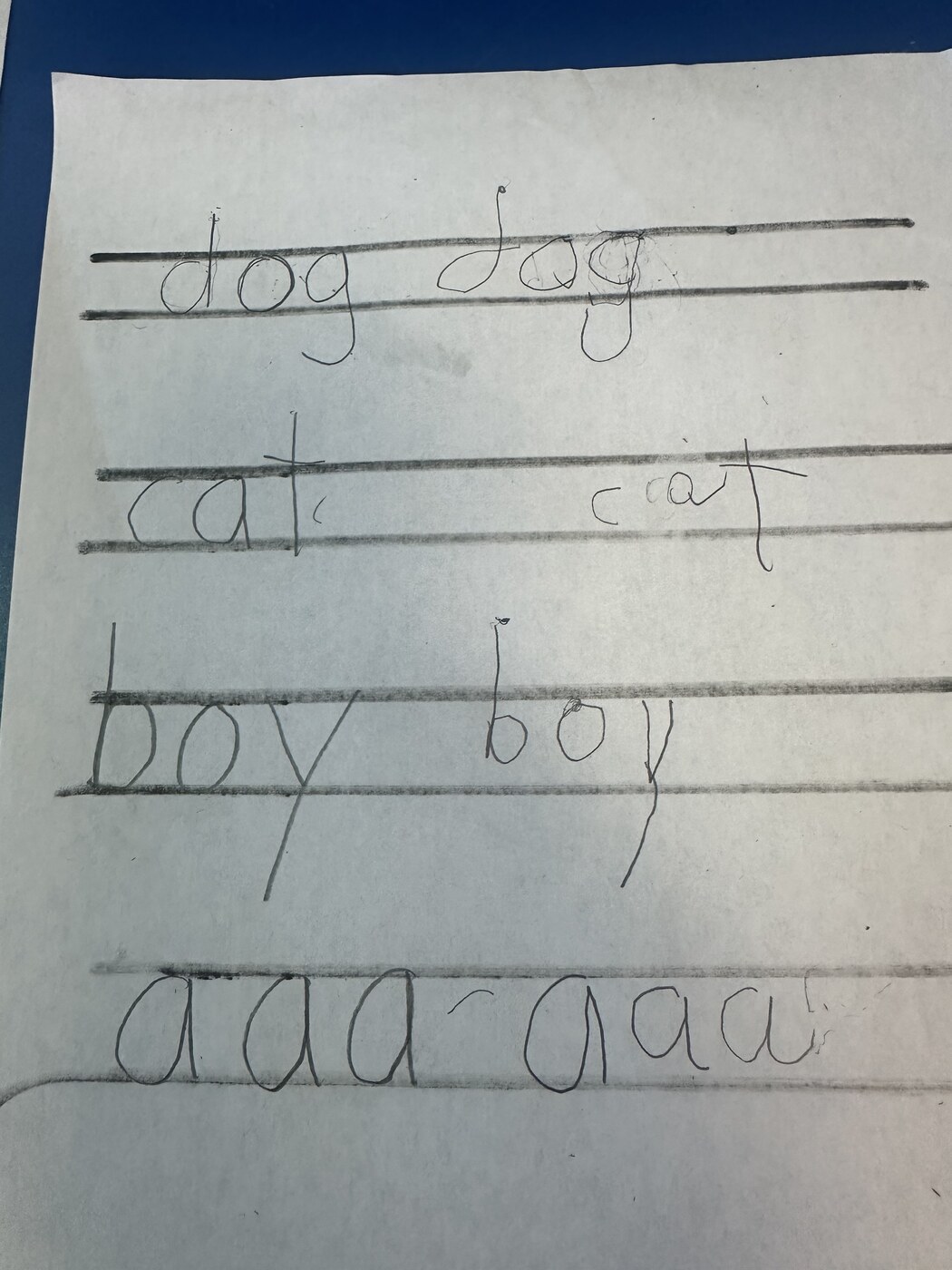
The visual boundary is supplied by the page instead of held in the head.
This is a spacing, alignment, and formation problem — a visual-motor integration signature — not a motivation or handwriting-instruction problem. Document what you observed, modify the page today, and refer if no eye exam is on file.
Say this
Set up the contrast: "A visual-motor signature on the page — and what changed it."
Point at the before panel first. Same student, same words, no external spatial structure.
Then the after panel. The visual boundary is supplied by the page instead of held in the head.
My notes
Say this
Land the "so what": Autism, ADHD, dyslexia, and dysgraphia all produce behavior that overlaps with visual-performance findings. Treating one and ignoring the other stalls the student.
Explain the mechanism plainly: Overlapping presentations share observable behavior but differ in the conditions that change performance.
Then give them the moves — say each one as something they can do Monday:
My notes
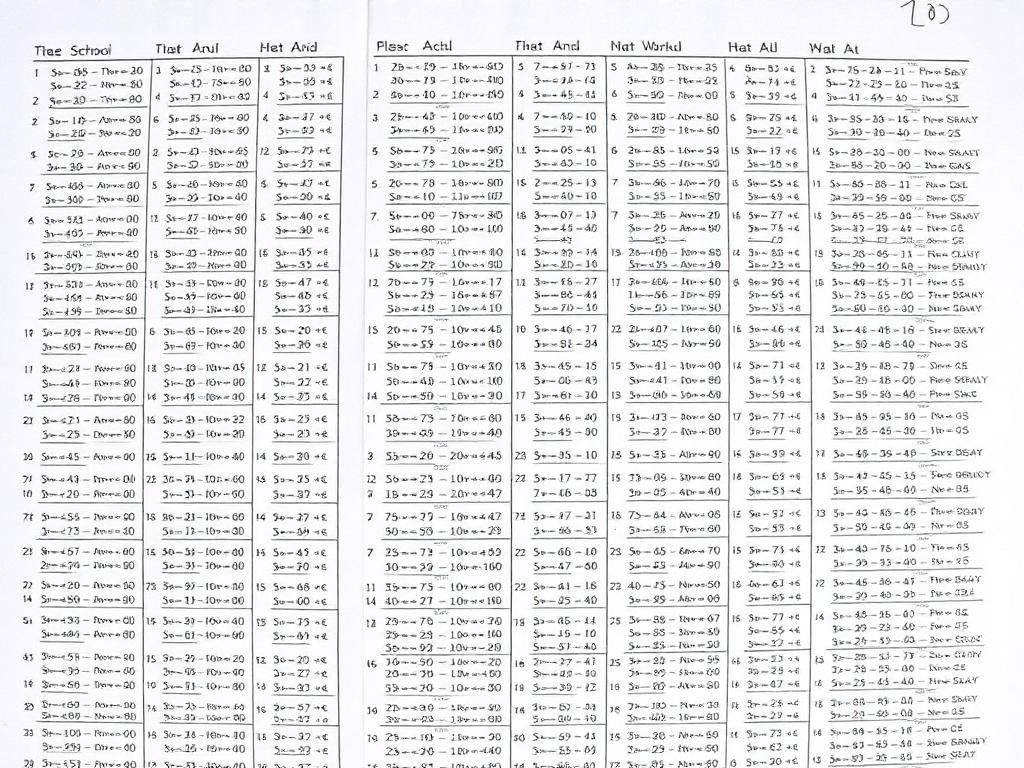
Small print, tight leading, items packed edge to edge.

Larger print, wide line spacing, fewer items per page, clear margin cue.
Spacing is not an accommodation for content; the reading or math demand is unchanged. Only the visual-efficiency load moved.
Say this
Set up the contrast: "Task layout: dense page versus spaced page."
Point at the before panel first. Small print, tight leading, items packed edge to edge.
Then the after panel. Larger print, wide line spacing, fewer items per page, clear margin cue.
My notes
Say this
Two-minute case. Read it aloud:
A Grade 4 student with an ADHD diagnosis loses his place while reading, skips lines, and finishes about half the passage. Medication is stable and he sustains attention well in a listening task.
Put the question to them: "How do you decide whether the reading breakdown is visual?" Give 60 seconds, no talking.
My notes
Say this
Reflection prompt: "Think about a student with a comorbid diagnosis. What one visual performance question would you add to the evaluation or IEP meeting?"
Offer the sentence starter: "I will ask: "When [student] does [occupation], what visual demand is hardest to meet?""
Think for one minute, write, then take two shares.
My notes
Say this
Knowledge check: "Which statement about dyslexia and vision is supported by evidence?"
Options:
• Dyslexia is caused by visual tracking problems and can be cured with eye exercises.
My notes